Finding reliable dryer repair starts with confirming that a provider serves your address, handles your dryer type, and explains the next steps clearly. This guide covers what to report, what to ask, and how to prepare without attempting risky troubleshooting. For East Bay homeowners, WAVE Appliance Repair offers gas and electric dryer repair, with address and model coverage to be confirmed before booking. (wave-appliancerepair.com)
How do you choose a reliable local dryer repair service?
Choose a local dryer repair provider by confirming coverage for your address and appliance, asking how the assessment works, and looking for clear communication about the proposed work. A search for “dryer repair service near me” can start the process, but your conversation with the company should establish whether the service fits your situation.
Start with the details that matter to your household. Give the company your city, dryer brand, model number, and a short description of the problem. Mention a stacked installation or laundry closet rather than assuming every appointment involves a freestanding machine with easy access.
Use these checkpoints when comparing an appliance repair service:
- Equipment fit: Ask whether the company handles your specific model and dryer type, not just the brand generally.
- Clear scope: Ask what the dryer assessment covers and how separate installation or vent concerns are handled.
- Practical communication: Request an explanation of appointment arrangements, access needs, and the process for discussing findings.
WAVE Appliance Repair serves Walnut Creek, Concord, Pleasant Hill, Lafayette, Moraga, Berkeley, and nearby East Bay communities. Confirm your complete address and model coverage with WAVE before making appointment arrangements. (wave-appliancerepair.com)
Describe the symptoms, not a suspected replacement part
When calling for local dryer repair, describe what you observed instead of naming the part you think failed. Poor drying can involve heat, airflow, controls, or other appliance conditions. A drum that turns while clothes remain damp does not, by itself, establish which component needs attention. (wave-appliancerepair.com)
Prepare a short symptom list using details such as these:
- Will not start: Describe what happens after pressing Start, including whether the display responds or an error appears.
- Runs without useful drying: Report whether clothes remain cold, become warm but stay damp, or take longer than comparable loads previously did.
- Stops unexpectedly: Note the selected cycle and approximately when it stopped, using observations you already have.
- Makes an unfamiliar sound: Describe a squeak, thump, scrape, or rattle and when you first noticed it.
- Shows a message: Copy the exact error code or photograph the display without removing covers or moving the appliance.
Also mention recent installation changes and whether the problem affects every load or only certain fabrics. WAVE asks for the cycle, load size, change in drying time, and any recent vent changes to help establish the pattern. (wave-appliancerepair.com)
For example, “Towels remain damp after the usual heated cycle” gives the scheduler a clearer starting point than “It needs a heater.” You do not need to run another cycle just to gather more detail.
What changes between gas and electric dryer repair?
Gas and electric dryers differ primarily in how they produce heat. Gas dryers use natural gas or propane for heating while also using electricity for functions such as tumbling and controls; electric dryers use electricity throughout. Tell the repair company which type you have so it can confirm the appropriate service. (whirlpool.com)
The practical distinction is important: a powered display or turning drum does not prove that the heating system is working correctly. GE notes that some electric dryers can tumble without having the electrical supply needed to heat. Leave electrical diagnosis to the technician rather than testing that possibility yourself. (products.geappliances.com)
If you are unsure of the dryer type, consult its manual or existing appliance paperwork. Do not pull the dryer out to inspect connections. Provide the model number and ask the company to help identify the equipment before the visit.
A suspected gas leak is not a routine repair request. Leave immediately without operating switches or using a phone nearby. From a safe location, call 911 and your gas utility; do not wait for an appliance appointment. (pgealerts.alerts.pge.com)
Questions that clarify the service before booking
A useful call should leave you knowing what information to provide and what happens next. When comparing results for “dryer service and repair near me,” move beyond whether a company repairs dryers in general. Ask questions tied to your equipment and installation.
Consider asking:
- Can you confirm coverage for my address and model? Give the complete model number if available rather than relying only on the brand name.
- Do you handle this installation? Explain whether the dryer is stacked, inside cabinetry, or in a shared laundry area.
- How do you separate appliance faults from vent concerns? Ask whether any additional service would need to be arranged separately.
- How will findings and proposed work be explained? Request an opportunity to ask questions before deciding how to proceed.
- What happens after I submit a request? Clarify how appointment confirmation and access arrangements will be communicated.
If you searched for “washer and dryer repair service near me,” explain whether one appliance or both need attention. Likewise, when requesting a “washer dryer repair service near me,” clarify whether you mean separate machines, a stacked laundry center, or one combination unit. That wording avoids leaving the equipment arrangement unclear.
Keep homeowner checks noninvasive and model-specific
Limit homeowner checks to noninvasive, model-specific steps described in the owner’s manual. These may include checking the selected cycle and cleaning the user-accessible lint screen. A no-heat or air-only setting should not be confused with a heating failure; GE specifically recommends checking cycle and temperature selections when a dryer runs without heat. (products.geappliances.com)
Do not perform live electrical testing, gas-line work, bypass safety devices, or open electrical panels. Leave internal diagnosis and repairs to a professional. The U.S. Fire Administration recommends professional dryer servicing and regular lint-filter cleaning. (usfa.fema.gov)
Keep the limits clear even if an online video makes a repair look straightforward. Do not remove appliance covers, alter connections, or move a gas dryer to investigate a symptom. Stop using the appliance if you notice smoke, a burning smell, or unusual overheating; WAVE’s dryer guidance identifies these as reasons to stop rather than continue testing. (wave-appliancerepair.com)
Prepare the laundry area for the appointment
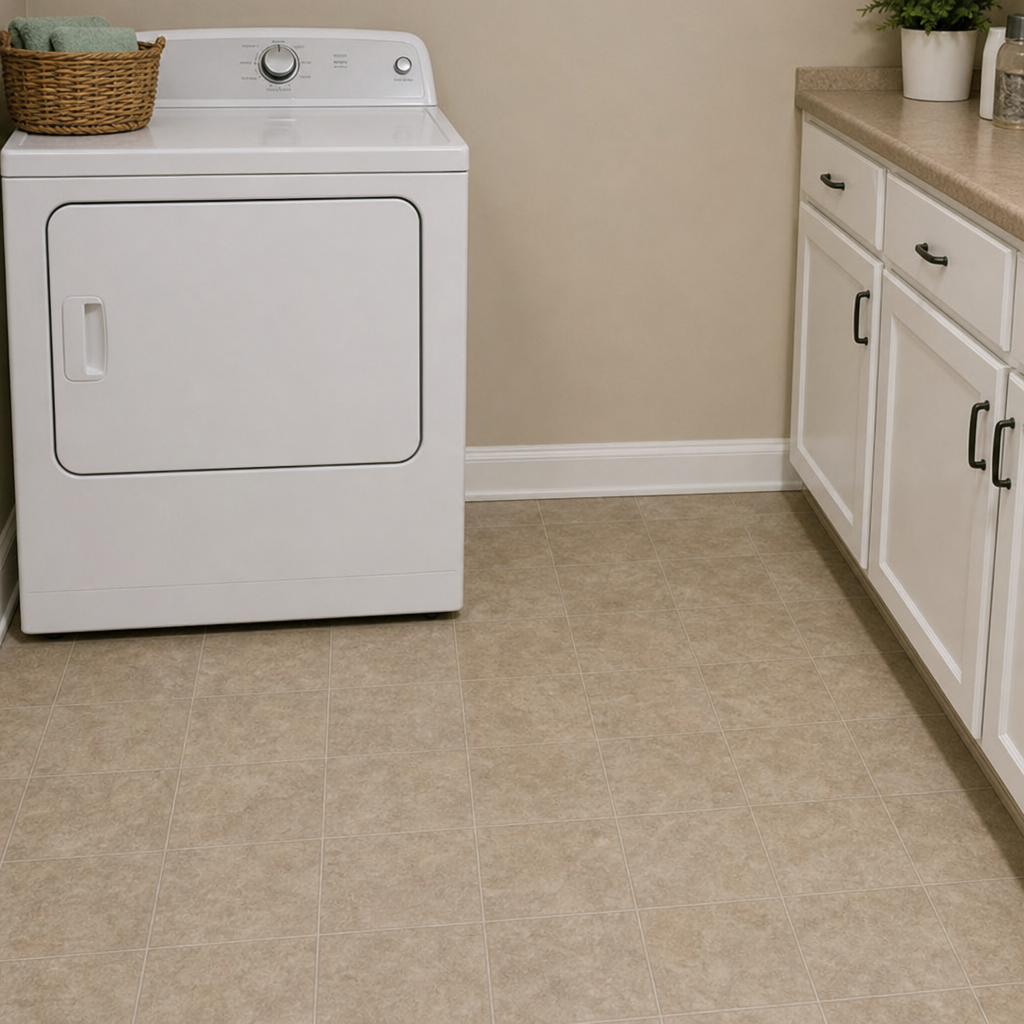
Prepare the space, not the machine’s internal components. Leave the dryer in place and clear the route to the laundry area. WAVE specifically advises homeowners that they do not need to pull the appliance away from the wall before a visit. (wave-appliancerepair.com)
Use this preparation checklist:
- Gather information: Keep your symptom notes, model details, manual, and existing error-code photographs together.
- Clear access: Move baskets, loose laundry, and household items out of the walking and working area.
- Explain property access: Share parking instructions, gate details, stairs, or building entry requirements when arranging the visit.
- Flag installation constraints: Mention stacking, cabinetry, tight closets, or anything else that limits access.
- Arrange communication: Ensure someone can explain the problem and discuss findings with the technician.
If the appliance has stopped showing the original symptom, keep the appointment discussion factual. Explain what happened previously and when; avoid claiming that the issue is resolved solely because it is intermittent.
How do you book dryer repair with WAVE?
To book dryer repair with WAVE Appliance Repair, call (925) 210-0900 or submit a service request at https://www.wave-appliancerepair.com/contact/#request-service. Include your contact details, service address, dryer brand and model, appliance type, and symptoms. WAVE will call to confirm the appointment after booking.
For company information, visit https://www.wave-appliancerepair.com. You can also email support@wave-appliancerepair.com with your appliance details and questions about coverage. (wave-appliancerepair.com)
Before submitting your request, you can read the existing dryer service page at https://www.wave-appliancerepair.com/dryer-repair/. Use your message to explain the problem in plain language and flag any installation constraints. Keep your phone available for the confirmation call, and confirm your address and model coverage directly with WAVE.
The best next step after searching “dryer repair near me” is a clear, informed service conversation—not an attempted internal repair. Gather your observations, keep checks within the owner’s manual, and let the appointment establish what needs attention.